As a supplier of Custom Size Waterproof Backer Board, I often encounter inquiries from customers regarding the board’s resistance to chemicals. This is a crucial aspect, especially in environments where the backer board may come into contact with various chemical substances. In this blog, I’ll delve into the chemical resistance of our custom size waterproof backer board, exploring the factors that influence it and the typical chemicals it can withstand. Custom Size Waterproof Backer Board
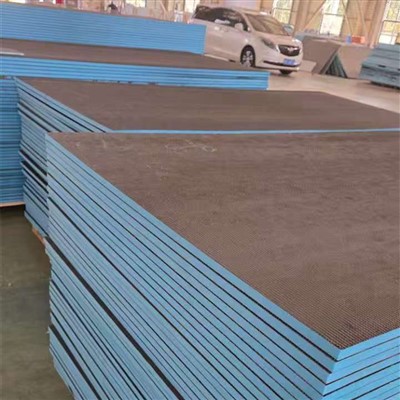
Understanding the Composition of Custom Size Waterproof Backer Board
Before discussing chemical resistance, it’s essential to understand what our custom size waterproof backer board is made of. Our backer board is crafted from a combination of Portland cement, sand, and reinforced fiberglass mesh. This unique blend provides the board with excellent strength, durability, and waterproof properties. The Portland cement forms the matrix that holds the other components together, while the sand adds bulk and stability. The reinforced fiberglass mesh enhances the board’s structural integrity, preventing cracking and delamination.
Factors Affecting Chemical Resistance
Several factors influence the chemical resistance of our custom size waterproof backer board. The first and most significant factor is the chemical composition of the board itself. As mentioned earlier, the Portland cement in the board is alkaline in nature. This means that it has a high pH level, which can affect how the board responds to different chemicals. For example, acidic chemicals can react with the alkaline cement, potentially causing damage to the board.
The second factor is the concentration of the chemicals. Higher concentrations of chemicals are more likely to cause damage to the board than lower concentrations. Additionally, the duration of exposure plays a crucial role. Prolonged exposure to chemicals can increase the likelihood of damage, even if the concentration is relatively low.
The physical condition of the board also matters. A damaged or porous board is more vulnerable to chemical attack than a intact and well – sealed board. Any cracks, holes, or rough surfaces can provide entry points for chemicals, increasing the risk of damage.
Chemicals Commonly Encountered and the Board’s Resistance
Acids
Acids are one of the most common types of chemicals that our custom size waterproof backer board may encounter. Weak acids, such as acetic acid (found in vinegar), generally have little to no effect on the board. However, strong acids, like hydrochloric acid or sulfuric acid, can react with the alkaline Portland cement. This reaction can lead to the dissolution of the cement matrix, causing the board to lose its strength and structural integrity. Over time, the surface of the board may become pitted, and the fiberglass mesh may be exposed, further weakening the board.
Bases
Since our backer board is alkaline, it has a relatively good resistance to most bases. Weak bases, such as sodium bicarbonate (baking soda), have no significant impact on the board. Strong bases, like sodium hydroxide, can also be tolerated to a certain extent. The high – pH nature of the board allows it to resist the corrosive effects of bases to some degree. However, prolonged exposure to concentrated strong bases can still cause damage, such as the breakdown of the cement matrix and the degradation of the fiberglass mesh.
Solvents
Solvents, such as acetone, ethanol, and toluene, are commonly used in various industries. Our custom size waterproof backer board generally has good resistance to most solvents. The non – porous nature of the board’s surface prevents solvents from penetrating easily. However, some aggressive solvents may cause swelling or softening of the board over long – term exposure. This can lead to a reduction in the board’s strength and dimensional stability.
Chemical Cleaners
In household and commercial settings, chemical cleaners are frequently used. Most mild chemical cleaners, such as those containing surfactants and detergents, have no adverse effects on our backer board. These cleaners are designed to be relatively gentle and do not contain high – concentrations of corrosive chemicals. However, some heavy – duty cleaners, especially those formulated to remove tough stains or grease, may contain acids, bases, or solvents. It’s important to check the label of the cleaner before using it on the backer board.
Testing the Chemical Resistance of Our Backer Board
To ensure the quality and chemical resistance of our custom size waterproof backer board, we conduct a series of rigorous tests. These tests simulate real – world conditions and expose the board to various chemicals for different durations and concentrations.
We use a combination of immersion tests and surface – contact tests. In immersion tests, samples of the backer board are fully submerged in chemical solutions for a specified period. After the immersion, the samples are removed, dried, and examined for any signs of damage, such as weight loss, surface changes, or loss of strength.
Surface – contact tests involve applying a small amount of the chemical to the surface of the board and leaving it for a set time. This test helps us evaluate how the board responds to direct contact with chemicals, which is more common in real – life situations.
Applications Where Chemical Resistance Matters
There are several applications where the chemical resistance of our custom size waterproof backer board is of utmost importance.
Kitchens
In kitchens, the backer board is often used as a substrate for countertops and backsplashes. It may come into contact with various food acids, such as lemon juice, tomato sauce, and vinegar. Additionally, cleaning chemicals used to maintain the kitchen’s hygiene can also affect the board. Our backer board’s ability to resist these mild acids and cleaners ensures its long – term performance in the kitchen environment.
Bathrooms
Bathrooms are another area where chemical resistance is crucial. The backer board is used behind tiles and shower enclosures. It can be exposed to soap scum, hairdressing products, and cleaning agents. Our board’s resistance to these chemicals helps prevent damage and maintain the structural integrity of the bathroom wall.
Industrial Settings
In industrial settings, the backer board may be used in areas where it can come into contact with more aggressive chemicals. For example, in laboratories, it may be exposed to various acids, bases, and solvents used in experiments. Our custom size waterproof backer board can be tailored to meet the specific chemical – resistance requirements of these industrial applications.
Conclusion and Call to Action
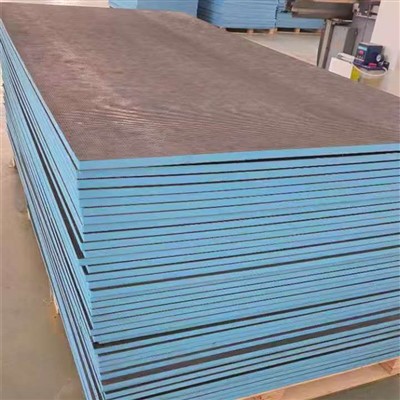
In conclusion, our custom size waterproof backer board has a reasonable level of chemical resistance, but its performance can vary depending on the type, concentration, and duration of chemical exposure. By understanding the factors that influence chemical resistance and the common chemicals it may encounter, customers can make informed decisions about using our board in different applications.
Waterproof Backer Board If you have specific chemical – resistance requirements for your project, I’m more than happy to discuss them with you. Our team can provide detailed information about the performance of our backer board in different chemical environments and help you choose the most suitable product. Whether you’re a contractor, designer, or homeowner, I encourage you to reach out to me for further discussions on purchasing our Custom Size Waterproof Backer Board. Let’s work together to ensure your project is successful.
References
- ASTM International. Standard Test Methods for Chemical Resistance of Plastics.
- American Concrete Institute. Guide to Durable Concrete Structures.
- Product Technical Data Sheets on Portland Cement – based Building Materials.
Address: Zhongze Village, Baohai Town, Tiantai County, Taizhou City, Zhejiang Province
E-mail: 906915688@qq.com
WebSite: https://www.yhhold.com/
