Hey there! I’m a supplier of Nut Formers, and today I wanna chat about the electrical requirements for these nifty machines. Nut Former
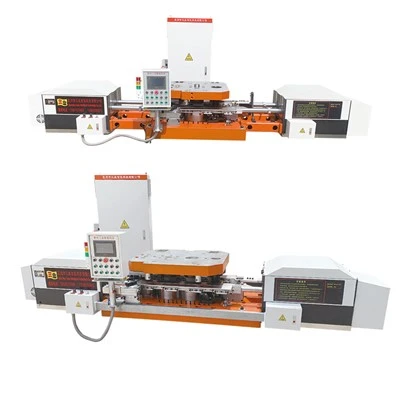
First off, let’s understand what a Nut Former does. It’s a tool that forms nuts from raw materials, like wire or rod stock. These machines are super important in the manufacturing world, making nuts that are used in all sorts of products, from cars to furniture.
So, what kind of electrical requirements does a Nut Former have? Well, it all boils down to a few key factors: power supply, voltage, frequency, and electrical protection.
Power Supply
The power supply is the life – blood of any Nut Former. These machines usually need a reliable and stable source of electricity to work properly. Most Nut Formers run on three – phase power. Why three – phase? It’s because three – phase power provides a more constant and efficient flow of energy compared to single – phase power.
A three – phase power supply allows the Nut Former to handle the heavy loads associated with the forming process. When the machine is squeezing and shaping metal into nuts, it requires a significant amount of power. Three – phase power can deliver that power smoothly, reducing the risk of power surges or brownouts that could damage the machine.
Voltage
The voltage requirements of a Nut Former can vary depending on the size and model of the machine. Generally, you’ll find Nut Formers designed to work with voltages in the range of 200V to 480V. Smaller, more lightweight Nut Formers might work well with a 200V to 240V supply. These are often used in smaller workshops or for less heavy – duty nut – forming tasks.
On the other hand, larger, industrial – grade Nut Formers usually need a higher voltage, around 380V to 480V. These machines are built to handle high – volume production and require more power to operate the powerful motors and hydraulic systems involved in the nut – forming process.
It’s crucial to match the voltage of your electrical supply to the voltage requirements of the Nut Former. If the voltage is too low, the machine might not operate at its full capacity. It could result in slower production speeds, unevenly formed nuts, or even cause the motor to overheat. Conversely, if the voltage is too high, it can damage the electrical components of the machine, leading to costly repairs.
Frequency
Frequency is another important electrical parameter for Nut Formers. In most parts of the world, the standard electrical frequency is either 50Hz or 60Hz. The frequency of the power supply affects the speed at which the electrical current alternates.
Most Nut Formers are designed to work with a specific frequency. If you try to run a Nut Former designed for 50Hz on a 60Hz power supply or vice versa, it can cause problems. The machine’s motor might run at the wrong speed, which can impact the quality of the nuts being formed. There could also be issues with the control systems, as these are often calibrated to work with a particular frequency.
When you’re purchasing a Nut Former, make sure you know the frequency of your local power supply and choose a machine that matches it. If you’re planning to use the machine in a different country with a different frequency, you might need to use a frequency converter to ensure the machine operates correctly.
Electrical Protection
Electrical protection is a must – have for any Nut Former. These machines are exposed to various electrical hazards, such as short circuits, overcurrents, and voltage spikes. To prevent damage to the machine and ensure the safety of the operators, proper electrical protection devices need to be in place.
One of the most common electrical protection devices is the circuit breaker. A circuit breaker is designed to automatically shut off the power when it detects an abnormal increase in current. This can prevent a short circuit from causing a fire or damaging the electrical components of the Nut Former.
Another important protection device is the surge protector. Voltage spikes can occur due to lightning strikes or power grid fluctuations. A surge protector helps to divert the excess voltage away from the Nut Former, protecting it from damage.
Grounding is also a critical aspect of electrical protection. By properly grounding the Nut Former, any electrical faults are safely directed to the ground, reducing the risk of electric shock to the operators.
Additional Considerations
Besides the basic electrical requirements, there are a few other things to keep in mind. Nut Formers may have additional electrical components, such as sensors and control panels. These components often require a separate, low – voltage power supply.
The control panels are used to set the parameters of the nut – forming process, such as the size and shape of the nuts. They need a stable power source to ensure accurate and reliable operation.
Also, some Nut Formers come with advanced features like programmable logic controllers (PLCs). These PLCs are used to automate the nut – forming process and can be quite sensitive to electrical interference. So, it’s important to ensure that the electrical environment around the machine is clean and free from electromagnetic interference.
Talking About Our Nut Formers
As a supplier of Nut Formers, we’ve got a great range of machines that are designed to meet various electrical requirements. Our engineers have worked hard to ensure that our Nut Formers are not only efficient and reliable but also easy to integrate into your existing electrical systems.
Whether you need a small Nut Former for your workshop or a large – scale industrial machine, we’ve got you covered. We can help you determine the exact electrical requirements for your specific needs and provide you with all the information you need to set up the machine correctly.
If you’re in the market for a Nut Former, don’t hesitate to reach out. We offer top – notch customer service and can answer all your questions about the electrical requirements and other aspects of our machines. Let’s have a chat and see how we can help you boost your nut – forming production.
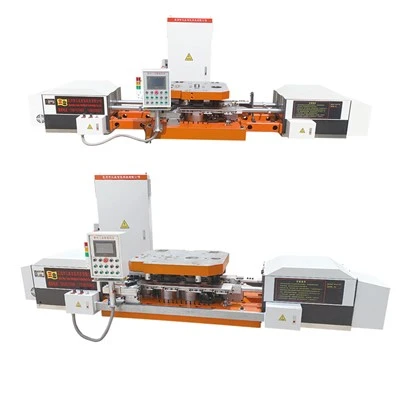
In conclusion, understanding the electrical requirements of a Nut Former is crucial for getting the most out of your machine. By ensuring that you have the right power supply, voltage, frequency, and electrical protection, you can keep your Nut Former running smoothly and efficiently. So, if you’re thinking about adding a Nut Former to your production line, take the time to consider these electrical factors.
Busher Former Machine References
- Standard electrical engineering textbooks on industrial machinery power requirements
- Manufacturer’s manuals for various Nut Former models
- Technical articles on the electrical safety and operation of manufacturing equipment
Quanzhou Sanye Intelligent Technology Co., Ltd.
As one of the most professional nut former manufacturers and suppliers in China, we have world-leading production equipment and strong manufacturing capabilities. Please rest assured to buy customized nut former made in China here from our factory. Welcome to contact us for quotation.
Address: Anhai Town, Jinjiang City, Fujian Province, China
E-mail: jack_tmm@163.com
WebSite: https://www.qzsymanipulator.com/
