Hey everyone, it’s Jake from the wheeled excavator team here. Lately, I’ve been getting so many DMs and calls from folks—contractors, small construction business owners, even some landscaping guys—asking the same question: “Can I actually customize a wheeled excavator, or am I stuck with whatever the factory ships?” Full transparency, I used to wonder that too, back when I was just starting out in the construction equipment game. I thought these big, shiny wheeled rigs were like off-the-rack jeans—one size fits mostly all, and if it’s not right, tough luck. But turns out, I was super wrong. Customizing wheeled excavators isn’t just a “nice-to-have”—it’s a game-changer, and that’s why our team spends so much time helping clients tweak these machines to fit their exact needs. Wheeled Excavator
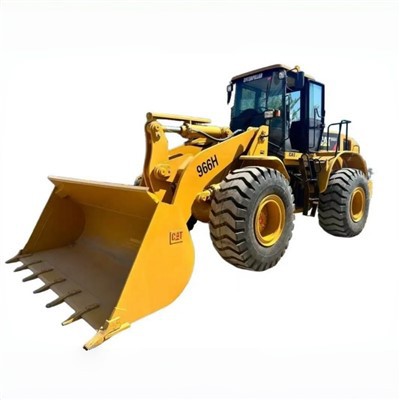
Let’s start with the basics, ‘cause I don’t wanna talk over anyone’s head. Wheeled excavators are different from tracked ones, right? Tracks are great for muddy, steep terrain, but wheeled ones are faster on pavement, lighter, and way easier to move from job sites without hauling trailers every single time. That makes them perfect for city work, road repair, landscaping, even utility lines. But here’s the thing: no two jobs are the same. A guy paving sidewalks in downtown Chicago doesn’t need the same setup as a guy clearing brush in Florida’s suburbs, and a utility company fixing gas lines needs something totally different from a demolition crew tearing down old storefronts. So yeah—customizing 100% works. It’s not some fancy, complicated industrial trick reserved for huge corporations. We do it for every kind of client, from one-man landscaping shops to state-level DOT crews.
Wait, let me give you a real example. Last month, we worked with a small asphalt repair company in Phoenix. They were using a standard wheeled excavator, and every time they’d do a pothole patch, they had to switch between a bucket, a pavement breaker, and a hydraulic thumb. But switching attachments takes forever—like, 10 minutes each time, and time is money when you’re juggling 20 potholes a day. So we customized their machine with a quick-coupler system that lets them swap attachments in 30 seconds flat, plus added extra counterweight on the rear ‘cause they were lifting heavy concrete chunks all day. They cut their job time by almost 25% in the first week. That’s not a small win—that’s their bottom line going up.
Now, let’s break down what kind of customizations actually make sense, and what’s just fluff. First, attachment compatibility. This is the biggest one. Standard wheeled excavators only come with a basic bucket, but what if you need a grapple for moving tree limbs? A concrete pulverizer for demo? A tilting bucket that lets you grade without repositioning the whole machine? We don’t just sell you a bucket and send you on your way—we set up the hydraulic lines on your excavator to handle whatever attachment you need, even the fancy high-flow ones. A lot of cheap factory models skimp on extra hydraulics, so if you wanna add a hydraulic breaker that needs serious pressure, you’re out of luck unless you customize. We size the hydraulic pumps and reroute lines right at our shop, so you don’t have to mess with aftermarket hacks that break all the time.
Next up, sizing and weight distribution. Not every job site has the same access. A lot of downtown cities have weight limits for vehicles on their streets—if your wheeled excavator is too heavy, you can’t drive through certain neighborhoods without getting a ticket. Or, if you’re working on a soft access road that can’t handle a heavy machine, you might need to lighten it up by removing unnecessary components. We can adjust the counterweight, swap smaller tires for lighter ones, even remove non-essential parts like extra tool boxes if you don’t need ‘em, without sacrificing stability. I had a client in Seattle who works in narrow alleyways—standard excavators are too wide to fit, so we narrowed the wheel stance on his machine by 6 inches, and added compact side mirrors so he didn’t scrape buildings. He told us that customization alone made him 3 times more jobs that he couldn’t even bid on before.
Then there’s operator comfort and tech. Let’s be real—guys and gals who run these machines all day spend 8+ hours in that cab. If the seat is uncomfortable, or the controls are hard to reach, that’s not just annoying—it’s a safety hazard, and it slows you down. We can customize the cab: add heated seats for those cold Northern winters, air suspension, even cold storage for water and snacks ‘cause no one wants a warm soda at 2 PM. For tech heads, we can add GPS tracking for the machine, load sensors so you don’t lift too much and tip over, even custom camera setups so you can see blind spots when you’re working close to walls or other crew members. One client in Minnesota added heated hand controls last year—he said he used to wrap his hands in rags in winter, but now he can work 2 more hours a day without freezing.
Wait, I know what some of you are thinking: “Customizing must cost a fortune, right?” No, not really. I used to think that too, but when you compare it to buying a whole new machine or renting extra equipment for every job, it’s way cheaper. A quick-coupler customization is a few hundred bucks, not thousands. Adjusting wheel stance or adding extra hydraulics is a fraction of the cost of upgrading to a whole different model. And think about the downtime—if you have a machine that’s set up for exactly what you do, you don’t have to rent attachments or swap parts all the time, which means you’re making money instead of waiting around.
But let’s get one thing straight: it’s not just adding random parts. We never customize a machine without talking to the client first. We’ll ask you what kind of jobs you do, how many hours a day you run it, what terrain you’re on, even how many people are operating it—‘cause if two different operators are using the same machine, their control preferences might be totally different. Last quarter, we worked with a utility company that had 4 crews using the same 2 wheeled excavators. We programmed the controls to be switchable, so each crew could set the joysticks to whatever felt natural for them, no more fighting over the machine or wasting time adjusting mid-job. That’s the kind of custom work that actually solves real problems, not just looks cool on a spec sheet.
I’ve also seen clients come to us thinking they need a totally different type of machine, and all they need is a small custom tweak. For example, a landscaping guy in Dallas was using a wheeled excavator for digging pools, but the standard arm was too short to reach the bottom of deep pools without moving the whole machine every 5 minutes. We extended the arm by 3 feet, and added a telescopic stick so he can adjust the length on the fly. He didn’t have to buy a bigger, more expensive tracked excavator—he just customized his wheeled one, which saved him almost $50k. That’s the power of customization, right? Making your existing equipment work harder for you, not the other way around.
Now, let’s talk about what you should avoid when customizing, ‘cause not all custom work is good. Don’t go overboard with extra parts that add unnecessary weight if you don’t need ‘em. Don’t customize the hydraulic system if you’re not sure what attachments you’ll use—you’ll just waste money on lines you’ll never use. And always work with a reputable supplier that knows wheeled excavators, not some random garage that messes with construction equipment. A bad custom job can lead to breakdowns, safety issues, even tickets, so it’s not worth cutting corners.
Here’s the thing about our team: we don’t just sell wheeled excavators. We sell solutions. When a client comes to us and says “my machine doesn’t do X,” we don’t say “that’s just how it is.” We say “let’s fix that.” Whether it’s adding a grapple for your tree work, adjusting weight to meet city limits, or tweaking the cab so you can work longer, we do it. We’ve customized machines for every kind of job you can think of—from sandblasting prep to snow removal, from bridge repair to moving heavy equipment around job sites.
If you’re on the fence about whether customization is worth it, let me ask you this: are you tired of losing jobs ‘cause your machine isn’t the right size? Are you wasting money renting attachments or extra equipment? Are your operators complaining about the machine not being comfortable? If any of those are yes, then customization is probably a no-brainer for you. You don’t have to settle for a one-size-fits-all machine. Your business is unique, so your equipment should be too.
At the end of the day, a wheeled excavator isn’t just a tool—it’s an investment. And the best way to get the most out of that investment is to make it work for your specific needs, not the factory’s generic ones. I’ve seen small businesses grow big just ‘cause their equipment was set up to help them work faster, safer, and more efficiently. It’s not magic—it’s just listening to what you need and making it happen.
If you’re thinking about customizing your wheeled excavator, or just have questions about what’s possible, hit us up. We can walk through what works for your jobs, break down the costs, and make sure you get exactly what you need. Don’t settle for a machine that doesn’t fit your business—let’s build one that does.
Wheeled Excavator References:
- Construction Equipment Association. Wheeled Excavator Customization Trends, 2023.
- American Road & Transportation Builders Association. Customized Equipment Impact on Job Site Efficiency, 2022.
- Occupational Safety and Health Administration. Operator Comfort and Equipment Modifications, 2021.
Shandong Xinyang Special Purpose Vehicle Manufacturing Co., Ltd.
As one of the most professional wheeled excavator manufacturers and suppliers in China, we’re featured by quality products and good price. Please rest assured to buy cheap wheeled excavator made in China here from our factory. Contact us for more details.
Address: Quanpu Industrial Park, Liangshan County, Jining City, Shandong Province.
E-mail: ensonzhouau@gmail.com
WebSite: https://www.trustmytruck.com/
