If you’ve ever relied on a portable diesel generator to keep a worksite running through a storm, power a remote construction trailer, or maintain critical systems during an outage, you know how frustrating a seized or underperforming unit can be. As someone who’s spent the last eight years as a portable diesel generator supplier, I’ve seen firsthand how many small, avoidable mistakes lead to generators breaking down prematurely—especially when it comes to lubricating moving parts. New customers often ask me, “Isn’t the factory lubricated for life?” or “Why do I need to do this myself?” The truth is, while modern portable diesel generators are built with durable components, the harsh conditions they operate in (dust, humidity, extreme temperatures, regular transport) mean regular, proper lubrication is non-negotiable for consistent performance and a longer lifespan. Today, I’m walking you through exactly how to lubricate your generator’s moving parts, drawn from years of on-site troubleshooting and feedback from our customers across 12 countries. Portable Diesel Generator
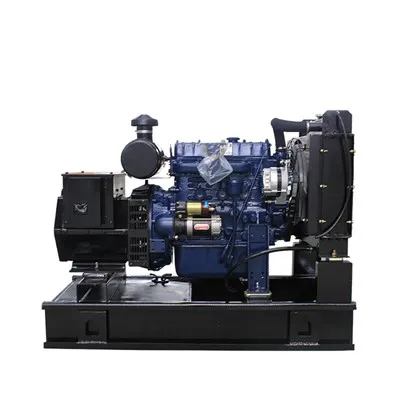
First, let’s clarify which parts we’re talking about. A portable diesel generator has three key moving components that require targeted lubrication: the crankshaft and connecting rod bearings (part of the engine’s internal assembly), the alternator bearings (which are part of the electrical output assembly), and the structural pivot points—like the frame’s lifting handles, fold-out legs, and any hinged panels for accessing filters or the fuel tank. Each of these parts has different lubrication needs, and using the wrong product or applying it incorrectly can cause more harm than good. For example, slathering heavy, high-pressure grease on alternator bearings will trap excess heat and wear down the seals, while using diesel fuel as a makeshift lubricant for pivot points will attract dust and grit that acts like sandpaper.
Before you touch any part, safety is non-negotiable. I can’t stress this enough, because I’ve had a customer who skipped these steps and ended up with a 2,000-watt generator falling off a lift when a hinge seized mid-movement. First, turn off the generator and disconnect the battery—even if it’s not running, residual electrical current can start the engine if a cable slips or a part shifts. Second, let the engine cool for at least two hours. Diesel engines run hot, and applying lubricant to hot surfaces will cause it to break down quickly, reducing its effectiveness. Third, wear nitrile gloves and safety glasses to protect yourself from metal shavings, dust, and any old, caked-on lubricant. Finally, work in a clean, dry area—if you’re outside, pick a day with no wind to avoid blowing dirt onto the parts you’re lubricating. Most of our customers store their generators in a shed when not in use, and we always recommend setting up a small, dedicated work space there for maintenance to keep debris out.
Let’s start with the engine’s internal moving parts, since this is the most critical and commonly misunderstood area. Unlike passenger car engines, portable diesel generators have smaller, more specialized oil systems that are designed for consistent, heavy-duty use. The factory fills the crankcase with a specific type of diesel engine oil at production, but this oil degrades over time, especially when the generator is operated in dusty or high-temperature conditions. For our standard portable units (3kW to 15kW), we recommend checking the oil level every 50 hours of use and changing it, along with the oil filter, every 100 hours. That might seem frequent, but when you’re running a generator 12 hours a day on a remote worksite, that’s only about a week of use. When changing and lubricating the crankcase bearings, you’ll need to use a high-quality, API-rated diesel engine oil—look for CJ-4 or CK-4 rating, which are designed for modern diesel engines and provide better wear protection than older CJ-3 oils. I’ve seen customers use generic motor oil to save money, and within a month, their generator’s crank bearings seized, requiring a full engine rebuild that costs 70% of a new unit. It’s a false economy. To do this correctly: place a drain pan under the oil drain plug, remove the plug (wait a few seconds for old oil to flow out), replace the oil drain plug, refill the crankcase with the exact amount listed in your owner’s manual (overfilling causes leaks and excess heat, underfilling leads to bearing wear), then replace the oil filter. Run the generator for two minutes, turn it off, wait five minutes, and check the oil level again to top off if needed. This process lubricates the crankshaft, connecting rod bearings, and camshaft automatically—no additional lubrication is needed for these parts, as long as you’re using the correct oil and maintaining the right level.
Next are the alternator bearings, which are often overlooked until the generator starts making a high-pitched squeal or reducing power output. The alternator is what converts the engine’s mechanical energy into electrical energy, and its bearings spin at high speeds (sometimes over 3,000 RPM) with very little clearance, so they need a high-temperature, low-friction grease. For our generators, we use lithium complex grease with a NLGI grade of 2, which works well across temperatures from -20°F to 120°F—perfect for places like Canada’s remote construction sites or Texas’s summer power outages. We recommend lubricating the alternator bearings every 300 hours of use, or once a year if the generator is only used occasionally (like for backup power at a small business). To access the alternator bearings, you’ll need to remove the side panel of the generator (refer to your owner’s manual for the specific fasteners—most use 10mm or 12mm bolts). Once the panel is off, locate the two grease fittings on the alternator (they’re small, brass-colored nipples). Before applying grease, wipe the fittings and surrounding area with a clean rag to prevent dirt from getting pushed into the bearing. Attach a hand-operated grease gun (don’t use an air-powered gun, as it can push too much grease in too fast) to the first fitting, and pump slowly until you see a small amount of fresh grease start to ooze out of the opposite seal of the alternator. Do this for both fittings—over-greasing is just as bad as under-greasing here, because excess grease will trap heat and cause the bearing to fail prematurely. If you notice any metal shavings or grit on the bearings when you remove the side panel, stop and contact a professional, as that’s a sign of wear that needs to be inspected. We offer extended maintenance support for our customers, so don’t hesitate to reach out if you’re unsure about this step.
The third area that needs regular lubrication is the generator’s external moving parts—the frame hinges, lifting handles, fold-out legs, and any latches or access panels. These parts are exposed to the elements every time you move the generator from storage to a worksite, and a seized hinge can make it impossible to deploy the unit in an emergency. For these parts, you don’t need heavy grease—light, water-resistant lubricant is best, because it penetrates moving parts without attracting excess dirt. We recommend using a silicone-based lubricant or a multi-purpose lithium grease for these components, applied every 100 hours of use. To lubricate the hinges and legs: first, wipe each pin and pivot point with a rag to remove old, caked-on grease and dirt. For pins that are stuck, you can use a small amount of penetrating oil (like WD-40 Specialist) to loosen them before lubricating. Once clean, apply a thin, even coat of lubricant to each pivot point, moving the handle or leg back and forth a few times to work the lubricant into the joint. For latches and access panels, a quick spray of silicone lubricant will prevent them from sticking or freezing in cold weather. I once had a customer in Alaska who didn’t lubricate his generator’s access latches, and during a winter storm, he couldn’t get to the fuel filter to change it, causing his generator to stop running—costing him thousands in lost inventory from a refrigerated trailer. That’s the kind of avoidable hassle we help customers prevent with simple, regular maintenance.
Now, I get it—for someone who’s new to owning a portable diesel generator, keeping track of all these maintenance tasks can feel overwhelming. That’s why we include a simple maintenance log with every unit we sell, and our customer support team is always available to walk you through any step. Over the years, I’ve developed a few tricks to make this easier: mark your calendar with the maintenance intervals based on how often you use your generator, and keep a small maintenance kit in your generator’s storage case that includes the correct oil, grease, a grease gun, and a set of wrenches. This way, you’re never caught unprepared when it’s time to lubricate or change oil.
One common question I get is: what if I use my generator for a short time, like only a few hours a month for backup power? In that case, adjust the intervals—you can stretch the internal oil change to every 250 hours of use, alternator bearing lubrication to every two years, and external parts to every six months. The key is consistency, not exact timing. Even if you only run your generator once a year during hurricane season, doing a quick check of all moving parts and a light lubrication of external components will go a long way.
I also want to address a few mistakes I see all the time, because they’re easy to make but can cause serious damage. First, don’t use generic automotive grease for alternator bearings. Automotive grease is designed for lower temperatures and different load conditions, and it will break down quickly in the high-heat environment of an alternator. Second, never lubricate the engine’s crankcase with anything other than the specified diesel engine oil. Using oil designed for gasoline engines will not provide enough wear protection for the heavier loads a diesel engine handles. Third, don’t skip cleaning parts before lubricating—dust and dirt mixed with grease act like abrasives, wearing down bearings and hinges faster than if you did nothing at all. Finally, don’t wait for parts to make noise before lubricating. A small squeal from an alternator or a stiff hinge is a warning sign—addressing it early will save you from costly repairs or replacement down the line.

As a supplier, our goal isn’t just to sell you a generator—it’s to make sure it works for you, year after year. We’ve designed our portable diesel generators to be low-maintenance and user-friendly, but proper lubrication is still part of that equation. If you have any questions about lubricating your specific unit, need help ordering the correct parts, or are interested in bulk pricing for your worksite or business, our team is ready to assist you. Don’t hesitate to reach out to discuss your portable diesel generator needs—we’re here to support you every step of the way.
Portable Diesel Generator References:
- Portable Diesel Generator Maintenance Guide, International Organization for Standardization (ISO) 8528
- API Classification of Diesel Engine Oils, American Petroleum Institute (API) Publication 1509
- NLGI Grease Specifications and Applications, National Lubricating Grease Institute (NLGI) 2022 Handbook
- Best Practices for Portable Power Equipment Lubrication, Power Equipment Association (PEA) 2023
Jiangsu Kaichen Electric Power Equipment Co., Ltd.
We are one of the most professional portable diesel generator manufacturers and suppliers in China, specialized in providing high quality diesel generators with reasonable price. We warmly welcome you to buy cheap portable diesel generator from our factory. Contact us for pricelist and quotation.
Address: Dinghuo Industrial Park, Jiangdu District, Yangzhou, Jiangsu Province
E-mail: 19962469616@163.com
WebSite: https://www.jskaichen-power.com/
