Hey folks, let’s cut to the chase—if you’ve ever tried to whip up Braised Pork Balls in Gravy at home (or even bought a takeout version that turned clumpy, greasy, or just plain “meh”), you know the gravy makes or breaks the whole dish. For the last 7 years, I’ve been running a small, family-style spot where we supply frozen and fresh pork balls to cafes, caterers, and even home cooks across the Midwest. Every single week, I get DMs and calls from people asking the same question: “Your gravy is so smooth—how do you not end up with lumps that feel like little rubber bits?” Braised Pork Balls in Gravy
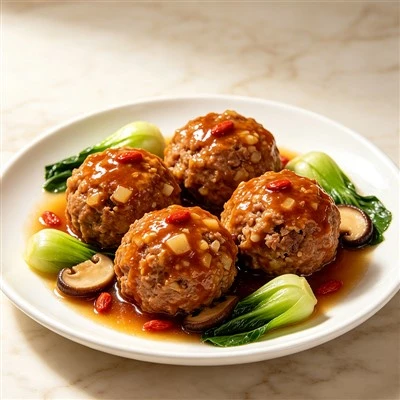
Let me tell you, it’s not magic. It’s just paying attention to the small, easy-to-miss steps that most folks skip. I’ve messed this up more times than I can count—once, I rushed the roux so bad I ended up with a gravy that separated like oil and water, and we had to throw out 50 lbs of pork balls for a local food truck event. Embarrassing? Totally. But that mistake taught me everything I now pass on. Today, I’m breaking down exactly how to get that silky, coat-a-spoon gravy for your pork balls, no fancy equipment or weird ingredients required.
First off, let’s get one thing straight: most people mess up gravy because they skip the prep work for their ingredients. No, I don’t mean chopping the onions (though that matters too)—I mean understanding what causes lumps in the first place. Lumps almost always come from one of three things: adding flour to hot liquid too fast, not mixing your fat and flour (that’s a roux) long enough, or using the wrong kind of fat. For our pork balls, we use a mix of pork fat back and rendered lard for the gravy—yeah, it’s a little richer than butter, but that’s why the flavor hits different, and it actually helps the gravy stay smooth longer.
Let’s start with the base: the liquid. A lot of home cooks just grab water or straight stock from a box. But here’s a pro tip from our kitchen: save the drippings from your pork balls. When we par-boil our fresh pork balls, the water gets all loaded with flavor, and it’s way more than just plain liquid. If you’re making your own balls, save that broth, strain out any tiny bits of meat, and use that as your base. No need to add extra salt— the drippings already have all the umami you need. If you’re using store-bought stock? Go low-sodium. It’s way easier to control the salt level that way, and too much salt can make gravy break or get weirdly gritty.
Next, the roux. This is non-negotiable for smooth gravy, especially when you’re making it to pair with pork balls. A roux is just equal parts fat and flour cooked together to thicken the liquid. But here’s the mistake most people make: they heat the fat, dump the flour in, stir once, and walk away. No, no, no. For pork ball gravy, we make a light blond roux. Not a dark brown one—dark roux is for gumbo, and it’ll make your gravy taste bitter. Light blond means you cook the flour and fat together for 3-4 minutes, stirring constantly, until it smells nutty, not burnt. If you see any clumps in the roux right here? That’s the seed of the lumps you’ll get later. So stir every 30 seconds. Use a wooden spoon, not a whisk, at first—whisks can push flour into the fat too fast and cause clumps. I know, it’s tedious, but 4 minutes of stirring beats 20 minutes of picking lumps out of a batch.
Once your roux is smooth and nutty, it’s time to add the liquid. Here’s the big one: never pour cold liquid into hot roux. That’s how lumps form instantly. We take our warm pork drippings (or warm stock, if you’re using that) and add it slowly, a quarter cup at a time, whisking like crazy the whole time. Whisking breaks up any tiny flour bits before they can clump. If you add too much liquid too fast, you’ll have a bowl of lumpy paste—trust me, I’ve had that. I once tried to add a full cup of drippings at once because I was in a hurry, and I ended up with a gravy that looked like cottage cheese. I had to strain it through a fine-mesh sieve, and even then, it never tasted the same. So take it slow. ¼ cup, whisk, another ¼ cup, whisk, until all the liquid is combined with the roux.
Then, season it. We don’t just throw in salt and pepper here—we add a splash of soy sauce (light soy, not dark, because dark will make the gravy too brown), a tiny bit of sugar to cut the savoriness, and a clove of minced garlic. But wait—don’t add anything acidic yet. Vinegar or lemon juice makes flour seize up, which causes lumps. We add our splash of rice vinegar right at the end, when the gravy is done simmering. Another thing: don’t boil the gravy hard. Simmer it on low for 10-15 minutes, stirring occasionally. Boiling too fast can make the gravy evaporate too much, get thick, and separate. If it gets too thick, just add a little more warm water (or warm drippings) and stir.
Wait, what about if you’re using cornstarch instead of roux? A lot of folks swear by cornstarch for gravy, especially if they’re gluten-free. But here’s the thing with cornstarch and pork ball gravy: it works, but you have to make a slurry first. Mix 2 tablespoons of cornstarch with ¼ cup of cold water, stir until there are no lumps, then add that slurry to your warm liquid, whisking constantly. If you add cornstarch straight to hot liquid, it forms a gelatinous lump on the outside and stays raw in the middle. We’ve had a few gluten-free clients ask for that option, and it works—just make sure the slurry is fully mixed before adding it.
Now, let’s talk about the gravy’s relationship with the pork balls. A lot of people heat the balls and the gravy separately, then mix them right before serving. That’s fine, but here’s a trick we use: when you’re reheating the pork balls, save a little of their broth, and add a few tablespoons of that broth to the gravy while it’s still warm. That way, the gravy and the balls “marry” a little—no more cold spots where the gravy is lumpy and the balls are room temp. Also, if you’re storing leftover gravy, don’t put it in the fridge in a plastic container—use glass. Plastic can leach chemicals, and the gravy can get weird. When you reheat it, add a splash of water and stir over low heat—microwaving it will make it break and get gritty.
I also want to address something I hear all the time: “I don’t have time to make this fancy gravy.” Look, I get it. Most of us are busy, and 15 extra minutes can feel like a chore. But here’s the thing: the steps I just laid out—slowly adding liquid, stirring the roux, simmering low—are all things you can do while you’re prepping the rest of the meal. While your rice is cooking, you can make the gravy. No extra time needed. And if you’re buying your pork balls from a supplier (wink, wink), like me, then you’re already saving time on making the balls themselves. So the gravy is just the last step to make the whole dish feel restaurant-worthy.
Wait, let’s test this. Last month, a new cafe owner bought 200 lbs of our pork balls for a weekend pop-up. They called me on Saturday morning, panicking, because their gravy was lumpy. I walked them through the steps: they went back, made a light roux, added warm stock slowly, whisked like crazy. They texted me an hour later saying the customers were asking where the gravy came from, that it was “the best they’d ever had.” That’s not a fluke. That’s just following the basics.
Another common mistake: straining the gravy. If you have any tiny lumps after all that work, a fine-mesh sieve works, but don’t do it too early. We never strain our gravy here—we want that little bit of texture that comes from the pork broth, not a totally bland, watered-down sauce. If your lumps are really tiny, just stir them more while simmering. They’ll break down over time.
Also, what about fat? A lot of people use all vegetable oil for roux, but using a little pork fat makes a difference. It adds flavor, and it actually helps the gravy stay emulsified longer. If you’re making your own pork balls, save the fat from the meat—render it down, and use that for your roux. That’s a trick we’ve used since my grandma started this business back in 1996. She’d say, “The gravy is only as good as the meat fat you put in it.” She was right.
I know this all sounds simple, but it’s the small stuff. The 3 minutes of stirring the roux, the ¼ cup of liquid at a time, the low simmer. I’ve seen people cut corners here and end up with gravy that’s not just lumpy, but greasy. Greasy gravy is another problem—if your roux is too hot when you add the liquid, the fat will separate and float to the top. So make sure your roux is at that light blond stage, not smoking hot. You should be able to hold your hand an inch above the pan for 2 seconds without burning yourself. That’s the perfect temperature.
Now, let’s wrap this up. If you’re a home cook trying to nail that smooth pork ball gravy, or a restaurant owner looking for a consistent, smooth gravy to pair with your pork balls, the key is prep, patience, and not skipping the small steps. We supply fresh and frozen Braised Pork Balls in Gravy to all sorts of places—cafes, caterers, even home cooks who want to skip making the balls themselves. If you’re tired of lumpy, inconsistent gravy that ruins your pork ball dish, or you’re a business owner who needs a reliable supplier for high-quality pork balls, hit us up to chat more. We can work out whatever you need—whether it’s bulk orders for your restaurant, or smaller batches for home use.
And hey, if you try these tips at home, let me know how it goes. Drop a comment, send a photo— I’d love to hear when you nail that perfect smooth gravy. No more lumps, no more grease, just that rich, silky sauce that makes your pork balls taste like they came from a fancy restaurant.
Wait, before I go, let me add one last quick tip: if you’re making gravy ahead of time, keep it warm in a double boiler, not on direct heat. Direct heat will make it thicken too fast. Double boilers keep it smooth and ready to mix with your pork balls when you’re ready to serve. That’s another trick we use for catering events—no last-minute chaos, just smooth gravy all night.
Happy cooking, and here’s to no more lumpy gravy!
Giant Pork Meatballs References
- Food and Agriculture Organization. Principles of Fat and Flour Interaction in Roux-Thickened Sauces.
- The Culinary Institute of America. Sauce Techniques: Emulsification and Smoothness in Savory Sauces.
- Journal of Food Science and Technology. Effects of Cooking Temperature on Gravy Texture and Consistency.
- USDA Food Safety and Inspection Service. Best Practices for Reheating Gravy to Maintain Texture.
- Modernist Cuisine. The Science of Roux and Thickening Agents in Asian Braised Dishes.
Yangzhou Jingsheng Food Co., Ltd.
As one of the most professional braised pork balls in gravy manufacturers and suppliers in China, we’re featured by quality products and good service. Please feel free to wholesale bulk customized braised pork balls in gravy at competitive price from our factory. Welcome to contact us for quotation and free sample.
Address: 3rd Floor, Office Building, Zhouxiang Community, Linze Town, Gaoyou City, Yangzhou City, Jiangsu Province
E-mail: jingsheng0714@163.com
WebSite: https://www.jingshengfood.com/
