If you’ve ever spent a growing season tending to heirloom tomatoes, fragrant basil, or rare sunflowers—only to realize half your saved seeds sprouted weakly, or worse, didn’t sprout at all the next year—you’ve probably asked yourself this question. As a storage jar supplier, I get this question dozens of times a week, from home gardeners tucking away their first batch of saved lettuce seeds to small-scale seed savers looking to expand their personal collection. The short answer is: Yes, you absolutely can use a storage jar for storing seeds. But not all jars are created equal, and there’s a right way to do it if you want those seeds to remain viable for years, not months. Let’s break this down, with real seed science, lessons I’ve learned from working with gardeners and seed savers for the past 10 years, and what makes a good storage jar for seed keeping. Storage Jar
First, let’s talk about why seeds go bad. When you save seeds, you’re essentially preserving a tiny, dormant embryo that’s waiting for the right conditions to grow. The three biggest enemies of seed viability are moisture, temperature fluctuations, and oxygen. Seeds have a natural moisture content—usually between 5 and 10% for most vegetable and flower seeds—that keeps the embryo alive but not actively growing. If that moisture rises above 12%, the embryo wakes up, burns through its stored energy reserves, and can get moldy or rot. High temperatures speed up this energy loss too; a seed stored in a hot garage will die much faster than one kept in a cool, stable space. And oxygen? It’s a catalyst for that same breakdown process, especially for oils in seeds like sunflowers or poppies.
This is where a good storage jar comes in. The right jar acts as a barrier against all three of those enemies. But let’s be clear: not every jar on my shelves works for this. I’ve had customers come in with mason jars, their favorite glass pickle jar, even old plastic yogurt containers, and ask if they can use those for seed storage. The answer depends on the jar’s design. For example, regular mason jars work great if they have a tight-fitting, airproof lid—no wire bale that leaves gaps, no loose screw tops that let air seep in. Plastic containers, on the other hand, can work, but many of them leach chemicals over time, especially in warm spaces, which can affect seed viability. That’s why most of the seed savers I work with swear by glass storage jars, not just because they’re airtight, but because they’re inert—they don’t react with the seeds or the moisture inside.
Let’s get into the science of seed storage, because this isn’t just guesswork. The USDA’s Agricultural Research Service has done decades of research on seed banks, and their guidelines line up almost exactly with what I teach customers. They say that for most common garden seeds, you can extend viability by 4 to 6 times if you lower the temperature by 10 degrees Fahrenheit, and keep moisture levels low. A jar helps with both of those things: if you keep the seeds in a sealed jar, moisture from the surrounding air can’t get in, and if you place that jar in a consistent cool spot—like a closet, a basement, or even the back of your refrigerator—you’re setting those seeds up to last for years. For example, tomato seeds stored properly in an airtight jar at 40 degrees Fahrenheit can stay viable for up to 8 years. Lettuce seeds? Up to 6 years. Even corn seeds, which are notoriously short-lived, can last 3 to 4 years in a sealed jar at cool temperatures. That’s a huge difference from leaving them in a paper envelope in a kitchen drawer, where they might go bad in 6 months to a year.
But here’s the thing: using a storage jar for seeds isn’t just about slapping seeds into any old jar and sealing it. There are a few key steps to make sure you’re not wasting your saved seeds. First, you need to dry the seeds properly before putting them in the jar. I see this mistake all the time. Gardeners harvest seeds, rinse them off to remove pulp or debris, and dump them straight into a jar. That’s a one-way ticket to mold city. Seeds need to be dried to that 5-10% moisture level. How do you know when they’re dry enough? A good test: take a seed and bite it. If it’s hard, doesn’t leave a dent, and makes a crisp sound when you bite it, it’s ready. If it’s soft or mushy, it needs more time. I recommend spreading seeds in a single layer on a paper plate or a mesh screen, out of direct sunlight, for 1 to 2 weeks, depending on the seed. Small seeds like basil or lettuce dry faster than larger seeds like squash or pumpkin.
Next, prep the jar. This is a step most people skip, but it’s important. You need to make sure the jar is completely dry before you add seeds. Any leftover moisture on the jar walls can raise the humidity inside, which is bad for seeds. I always tell customers to wash their jars with warm, soapy water, rinse them well, then put them in a low-temperature oven (around 200 degrees Fahrenheit) for 15 minutes to make sure all moisture is gone. Let them cool completely before adding seeds—hot seeds can create condensation inside the jar, which is the same problem as too much external moisture.
Then, add a desiccant. This is a trick I learned from professional seed savers, and it’s a game-changer for anyone who lives in a humid climate. Desiccants absorb extra moisture that might get trapped in the jar, even if you did everything else right. The most common, easy-to-find desiccant is silica gel—you can get it in small packs from shoe boxes, or buy it in bulk from gardening stores. Just make sure you let the silica gel dry out in the oven once a year so it works again. If you don’t have silica gel, you can use dry rice (just make sure it’s uncooked and completely dry) or even a small piece of dry milk powder wrapped in coffee filter. Don’t add too much, though—just a teaspoon or two of desiccant per quart jar is enough.
Now, what kind of storage jar is best for this? From my years working with seed savers, I can tell you that wide-mouth jars are better than narrow-mouth ones. Why? Because wide-mouth jars make it easier to get seeds in and out without spilling, and less air gets in when you open and close them. Also, avoid jars that have a lot of empty space. If you only have a quarter cup of seeds, don’t put them in a one-gallon jar. The extra air space in an almost empty jar means more oxygen and more moisture trapped around the seeds. Instead, divide your seeds into smaller jars, or fill the empty space with extra desiccant or crumpled wax paper to reduce air.
Wait, but what about plastic jars? I mentioned earlier that glass is best, but let’s be real—some people prefer plastic, especially if they’re going to be storing seeds in a place that might get dropped or exposed to extreme temperatures. The key with plastic storage jars is to make sure they’re food-grade and airtight. Not all plastic is created equal, and cheap plastic can leach chemicals, especially if it’s in a hot place. I’ve tested all the plastic jars I sell for seed storage, and only stock ones that are BPA-free and have a silicone seal in the lid to keep air out. Even then, I recommend using plastic jars only for short-term storage (1 to 2 years) or for seeds you’re going to use right away, and switching to glass for long-term storage.
Another common question: can I reuse storage jars for seeds? The answer is yes, but only if you clean and prep them properly. Never reuse a jar that had food with strong smells—like pickles, garlic, or onions—for seeds. Seeds absorb odors, and a jar that used to hold dill pickles will make your tomato seeds taste like pickles, which might not affect germination, but if you plan to save seeds from your own plants the next year, you don’t want cross-contamination. Also, make sure to sterilize the jar with rubbing alcohol before reusing, to kill any mold spores or bacteria that might be left over from previous use.
Let’s talk about common mistakes people make when using storage jars for seeds. One big one is labeling. I can’t tell you how many people bring me jars of seeds that are unlabeled, 2 years old, and they have no idea what’s inside. Make sure you label every jar with the seed type, the harvest year, and the variety (like ‘Brandywine’ tomato, not just ‘tomato’). I use waterproof labels and permanent markers, and I always write on the lid as well as the side, so even if the side label falls off, I know what’s inside. Another mistake is putting the jar in the wrong spot. A lot of gardeners store their seed jars in the kitchen, right next to the stove or above the fridge—places that get warm and experience temperature fluctuations. The best spots are cool, dark, and consistent: a basement closet, a back hallway that doesn’t get direct sunlight, or the crisper drawer of your refrigerator (just make sure the lid is airtight so it doesn’t absorb any odors from food in the fridge).
I’ve seen firsthand how well this works. Last year, a customer came to me with a jar of heirloom bean seeds that her grandmother had stored in a glass jar for 12 years. She was planning to throw them away because she thought they were dead, but we tested a few and 70% of them sprouted. That’s the power of a good storage jar paired with proper seed care. I also had a customer in Florida, where humidity is high, who was struggling with moldy seeds every year until we added silica gel packets to his jars. Now his 5-year-old lettuce seeds still have a germination rate of 80%, which is way better than the industry average for lettuce seeds.
Is there a time when a storage jar isn’t the best for seeds? Well, if you’re a commercial seed producer, you might need more specialized equipment, like vacuum-sealed bags or climate-controlled vaults. But for the average home gardener, backyard seed saver, or small farm, a good storage jar is perfect. It’s affordable, reusable, and easy to find, and it can extend your seeds’ viability by years.
Wait, let’s address one more concern: pests. Mice, weevils, and other seed-eating bugs. Can storage jars protect against that? Yes, as long as they’re airtight. Weevils can’t get through a sealed glass or plastic jar lid, and mice can’t chew through heavy-duty glass (they can chew through thin plastic, though, so if you use plastic, make sure it’s thick and has a tight seal). Airtight jars are one of the best defenses against pests, way better than paper envelopes or cloth bags, which are easy for bugs to get into.
So to wrap this up: Yes, you can absolutely use a storage jar for storing seeds. The key steps are: dry your seeds to a crisp, make sure your jar is completely dry and airtight, add a desiccant if you live in a humid area, label everything clearly, and store the jar in a cool, dark, consistent spot. The right storage jar isn’t just a container—it’s a tool that helps you preserve the quality of your seeds, so you can grow the same healthy plants year after year, save money on buying new seeds, and even share your heirloom varieties with friends and family.
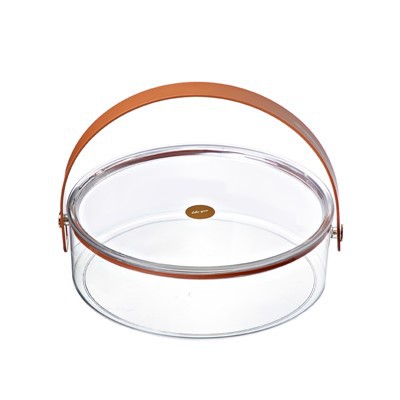
As a storage jar supplier, I’ve spent years refining my products to work perfectly for seed storage, as well as everyday kitchen and home use. Whether you’re a first-time seed saver with a handful of tomato seeds, or a dedicated collector with hundreds of varieties, I can help you find the right jars that fit your needs and budget. If you’re looking to stock up on seed storage jars, or have questions about what works best for your specific seeds, don’t hesitate to reach out to discuss your requirements.
Household Storage Box References:
- United States Department of Agriculture Agricultural Research Service. (2022). Seed Storage Guidelines for Home Gardeners. Agricultural Handbook No. 66.
- Ellis, R. H., & Roberts, E. H. (1981). The Quantification of Seed Viability. International Seed Testing Association.
- Wall, M. (2019). The Art of Home Seed Saving. Storey Publishing.
- Hampton, J. G., & Tekrony, D. M. (1995). Handbook of Seed Technology. CAB International.
Hangzhou Cheerhope New Materials Co., Ltd.
As one of the most professional storage jar manufacturers and suppliers in China, we offer a wide range of products with superior quality. Please rest assured to wholesale bulk durable storage jar made in China here from our factory. Contact us for more discount information.
Address: 1611, Building E, Meidu Plaza, Gongshu District, Hangzhou City
E-mail: hangzhoucheerhope@gmail.com
WebSite: https://www.chinastoragebox.com/
