Handling damaged steel bars is a crucial aspect of our operations as a steel bar supplier. In this blog, I’ll share some practical insights and strategies on how to deal with such situations effectively. Steel Bar

Understanding the Types of Damage
Before we can address the issue of damaged steel bars, it’s essential to understand the different types of damage that can occur. There are several common forms of damage, each with its own causes and implications.
Corrosion
Corrosion is one of the most prevalent issues in the steel industry. It occurs when steel is exposed to moisture and oxygen for an extended period. The chemical reaction between iron in the steel and oxygen results in the formation of rust. Corrosion can weaken the steel bars, reducing their strength and durability. Factors such as humidity, salt content in the air (near coastal areas), and poor storage conditions can accelerate the corrosion process.
Bending and Deformation
Steel bars can get bent or deformed during transportation, handling, or improper storage. Rough handling during loading and unloading, collisions with other objects, or stacking heavy materials on top of the steel bars can cause them to lose their straightness and original shape. Bending and deformation can affect the structural integrity of the steel bars, making them unsuitable for certain applications.
Cracks and Fractures
Cracks and fractures in steel bars can be caused by various factors, including excessive stress, improper heat treatment during manufacturing, or impact during handling. These defects can compromise the strength of the steel bars and pose a significant safety risk, especially in construction projects where the bars are used to reinforce concrete structures.
Assessing the Damage
Once we’ve identified the type of damage, the next step is to assess its severity. This is a critical process that helps us determine the appropriate course of action.
Visual Inspection
A visual inspection is the first step in assessing the damage. We carefully examine the steel bars for signs of corrosion, bending, cracks, or other visible defects. During the inspection, we look for discoloration, pitting, or flaking on the surface of the bars, which are indicators of corrosion. For bending and deformation, we check if the bars are out of shape or have any kinks. Cracks can be identified by looking for small lines or fissures on the surface of the bars.
Non – destructive Testing (NDT)
In some cases, visual inspection may not be sufficient to detect internal damage. Non – destructive testing methods can be used to assess the integrity of the steel bars without causing any damage. Ultrasonic testing is a commonly used NDT method. It involves sending high – frequency sound waves through the steel bars and analyzing the echoes to detect internal flaws such as cracks or voids. Magnetic particle testing is another method that can be used to detect surface and near – surface defects in ferromagnetic steel bars.
Strategies for Handling Damaged Steel Bars
Minor Damage
For minor damage such as surface corrosion or slight bending, we can often take corrective measures to make the steel bars suitable for use.
Surface Treatment for Corrosion
If the corrosion is limited to the surface of the steel bars, we can remove the rust using mechanical methods such as wire brushing or sandblasting. After removing the rust, we apply a protective coating to prevent further corrosion. The coating can be a paint, epoxy, or zinc – based coating, depending on the application and environmental conditions.
Straightening Bent Bars
Slight bending in steel bars can be corrected by using a hydraulic press or a bending machine. The bars are carefully placed in the machine, and the appropriate amount of force is applied to straighten them. However, it’s important to note that excessive bending and straightening can cause the steel to become brittle, so this process should be carried out with caution.
Moderate to Severe Damage
When the damage is more severe, such as deep corrosion, significant bending, or large cracks, the steel bars may not be suitable for their original intended use. In such cases, we have several options.
Recycling
Recycling is an environmentally friendly and cost – effective option for handling severely damaged steel bars. The damaged bars are melted down and reprocessed into new steel products. Recycling not only reduces waste but also conserves natural resources. As a steel bar supplier, we have established partnerships with recycling facilities to ensure that the damaged bars are properly recycled.
Use in Non – Critical Applications
In some cases, the damaged steel bars can be used in non – critical applications where the strength and quality requirements are not as high. For example, they can be used in temporary structures, landscaping projects, or as reinforcement in non – load – bearing walls.
Preventive Measures
Prevention is always better than cure. To minimize the occurrence of damaged steel bars, we take several preventive measures.
Proper Storage
We store our steel bars in a dry and well – ventilated area to prevent corrosion. The bars are stacked on pallets or racks to keep them off the ground and away from moisture. We also cover the bars with tarps or protective covers to protect them from the elements.
Careful Handling
During transportation and handling, we ensure that the steel bars are handled with care. We use appropriate lifting equipment and follow proper loading and unloading procedures to prevent bending and deformation. Our employees are trained on the correct handling techniques to minimize the risk of damage.
Quality Control
We implement strict quality control measures during the manufacturing process to ensure that the steel bars meet the required standards. This includes regular inspections, testing of raw materials, and monitoring of the production process. By ensuring the quality of the steel bars at the source, we can reduce the likelihood of damage.
Importance of Transparency with Customers
As a steel bar supplier, it’s crucial to be transparent with our customers about the condition of the steel bars. If there is any damage, we inform our customers immediately and provide them with detailed information about the extent of the damage and the available options. This helps build trust and ensures that our customers can make informed decisions.
Conclusion
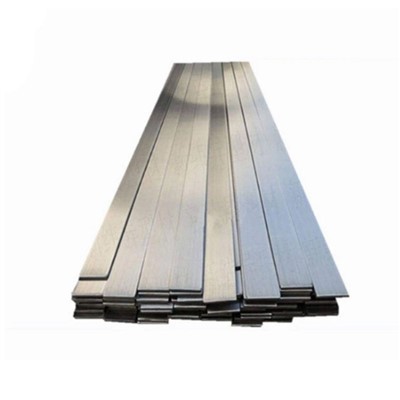
Handling damaged steel bars is a complex but essential part of our business as a steel bar supplier. By understanding the types of damage, assessing its severity, and implementing appropriate strategies, we can effectively manage damaged steel bars and minimize their impact on our operations. We also emphasize the importance of preventive measures to reduce the occurrence of damage in the first place.
Carbon Steel Bar If you’re in the market for high – quality steel bars and want to discuss your requirements or have any questions about our products, we’d be more than happy to engage in a conversation with you. Whether you’re a construction company, a contractor, or an individual looking for steel bars for your project, we’re here to provide you with the best solutions. Reach out to us to start a procurement discussion and let’s work together to meet your steel bar needs.
References
- ASME Boiler and Pressure Vessel Code Section V – Nondestructive Examination
- ASTM International Standards for Steel Bars
- Steel Construction Manual, American Institute of Steel Construction
Shanxi Midas Industrial Co., Ltd.
We’re known as one of the most professional steel bar manufacturers and suppliers in China. With abundant experience, we warmly welcome you to buy cheap steel bar made in China here from our factory. For price consultation, contact us.
Address: 28th, Huanqiu Jinrong Zhongxin, Xieyuan Road, Changfeng Business District, Taiyuan City, Shanxi Province, China
E-mail: midassteel@163.com
WebSite: https://www.midassteel.com/
