Can SPC Wall Panels be installed on any wall surface?
As a supplier of SPC (Stone Plastic Composite) wall panels, I’ve been frequently asked whether these panels can be installed on any wall surface. This is a crucial question for both homeowners and contractors, as the answer can significantly impact the success and longevity of an installation project. In this blog post, I’ll delve into the technical aspects, advantages, limitations, and practical considerations of installing SPC wall panels on various wall surfaces. SPC Wall Panels
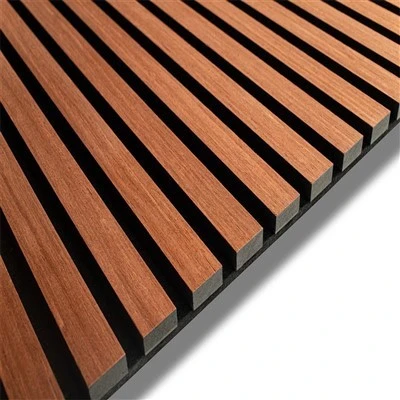
Understanding SPC Wall Panels
Before we discuss the compatibility with different wall surfaces, it’s essential to understand what SPC wall panels are. SPC wall panels are a type of composite material made from a blend of stone powder, polyvinyl chloride (PVC), and stabilizers. This composition gives them several desirable properties, such as high durability, water resistance, fire resistance, and ease of installation. They are available in a wide range of colors, patterns, and textures, making them a popular choice for interior wall decoration.
Ideal Wall Surfaces for SPC Wall Panel Installation
SPC wall panels can be installed on a variety of wall surfaces, but some are more suitable than others. Here are the ideal wall surfaces for SPC wall panel installation:
- Drywall: Drywall is one of the most common wall surfaces in residential and commercial buildings. It provides a smooth and flat surface for SPC wall panel installation. The panels can be easily attached to drywall using adhesive or mechanical fasteners.
- Plywood: Plywood is another suitable wall surface for SPC wall panel installation. It is strong, stable, and provides a good base for the panels. Plywood can be used on both interior and exterior walls, and it can be easily cut and shaped to fit the panels.
- Concrete: Concrete walls are durable and provide a solid base for SPC wall panel installation. However, the surface of the concrete wall needs to be smooth and flat before installation. If the surface is rough or uneven, it may need to be sanded or plastered to ensure a proper fit.
- Brick: Brick walls can also be used as a base for SPC wall panel installation. However, the surface of the brick wall needs to be clean and free of any loose or crumbling bricks. The panels can be attached to the brick wall using adhesive or mechanical fasteners.
Wall Surfaces that Require Special Consideration
While SPC wall panels can be installed on a variety of wall surfaces, some require special consideration. Here are some wall surfaces that may require additional preparation or installation techniques:
- Textured Walls: Textured walls, such as stucco or popcorn ceilings, can be challenging to install SPC wall panels on. The uneven surface can make it difficult to achieve a smooth and flat installation. In some cases, the textured surface may need to be sanded or plastered to create a smooth base for the panels.
- Moisture-Prone Walls: SPC wall panels are water-resistant, but they are not completely waterproof. If the wall surface is prone to moisture, such as in a bathroom or basement, additional waterproofing measures may be required. This may include installing a moisture barrier or using a waterproof adhesive.
- Old or Damaged Walls: Old or damaged walls may require additional preparation before SPC wall panel installation. This may include repairing any cracks or holes in the wall, removing any loose or peeling paint, and ensuring that the wall is structurally sound.
Installation Considerations
In addition to the wall surface, there are several other installation considerations that need to be taken into account when installing SPC wall panels. Here are some important factors to consider:
- Adhesive Selection: The type of adhesive used for SPC wall panel installation is crucial. It needs to be strong enough to hold the panels in place, but also flexible enough to allow for any movement or expansion of the panels. It’s important to choose an adhesive that is specifically designed for SPC wall panels and to follow the manufacturer’s instructions carefully.
- Panel Alignment: Proper panel alignment is essential for a successful installation. The panels need to be installed in a straight line and at the correct height. It’s important to use a level and a measuring tape to ensure that the panels are installed correctly.
- Expansion Gaps: SPC wall panels expand and contract with changes in temperature and humidity. To prevent the panels from buckling or warping, it’s important to leave expansion gaps between the panels and at the edges of the wall. The size of the expansion gaps will depend on the temperature and humidity conditions in the room.
- Cutting and Trimming: SPC wall panels can be easily cut and trimmed using a sharp utility knife or a saw. It’s important to use the correct cutting tools and to follow the manufacturer’s instructions carefully. When cutting the panels, it’s important to wear safety goggles and gloves to protect yourself from any sharp edges.
Advantages of Installing SPC Wall Panels
There are several advantages to installing SPC wall panels on your walls. Here are some of the key benefits:
- Durability: SPC wall panels are highly durable and can withstand heavy use and abuse. They are resistant to scratches, dents, and stains, making them a great choice for high-traffic areas.
- Water Resistance: SPC wall panels are water-resistant, making them a great choice for areas that are prone to moisture, such as bathrooms, kitchens, and basements. They can also be used in outdoor applications, such as on patios and decks.
- Fire Resistance: SPC wall panels are fire-resistant, making them a safe choice for residential and commercial buildings. They can help to prevent the spread of fire and reduce the risk of damage to your property.
- Easy Installation: SPC wall panels are easy to install and can be installed by homeowners or contractors. They can be attached to the wall using adhesive or mechanical fasteners, and they can be easily cut and trimmed to fit the desired size and shape.
- Aesthetic Appeal: SPC wall panels are available in a wide range of colors, patterns, and textures, making them a great choice for interior wall decoration. They can be used to create a variety of looks, from modern and contemporary to traditional and rustic.
Conclusion
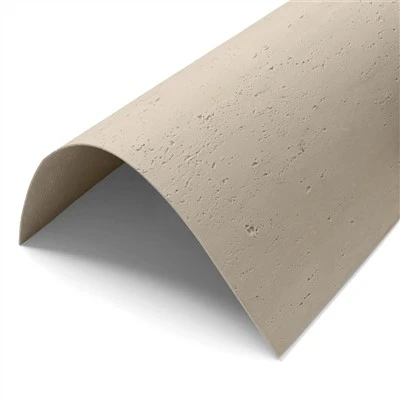
In conclusion, SPC wall panels can be installed on a variety of wall surfaces, but some are more suitable than others. Drywall, plywood, concrete, and brick are all ideal wall surfaces for SPC wall panel installation. Textured walls, moisture-prone walls, and old or damaged walls may require additional preparation or installation techniques. When installing SPC wall panels, it’s important to consider the type of adhesive, panel alignment, expansion gaps, and cutting and trimming. SPC wall panels offer several advantages, including durability, water resistance, fire resistance, easy installation, and aesthetic appeal.
WPC Wall Panel If you’re interested in purchasing SPC wall panels for your next project, I encourage you to contact me to discuss your specific needs and requirements. I can provide you with more information about our products, including pricing, availability, and installation options. I look forward to hearing from you and helping you to create the perfect interior space for your home or business.
References
- "SPC Wall Panels: A Comprehensive Guide." Building Materials Magazine, Vol. XX, Issue XX, XX, 20XX.
- "Installation Guide for SPC Wall Panels." Manufacturer’s Manual, XX, 20XX.
- "Advantages of SPC Wall Panels in Interior Design." Interior Design Journal, Vol. XX, Issue XX, XX, 20XX.
Shandong Dowell Decorative Material Co., Ltd.
Address: Room 913, 9th Floor, International Trade Service Center, No. 100 Lingong Road, Comprehensive Bonded Zone, Chaoyang Street, Yihe New District, Linyi City, Shandong PR, China
E-mail: info@dowellpanel.com
WebSite: https://www.dowellspcfloor.com/
