Flexibility is a key characteristic when it comes to profiled conveyor belts, and as a supplier, understanding its multifaceted nature can significantly enhance your operations. In this blog, I’ll delve into what the flexibility of a profiled conveyor belt truly means, its importance, influencing factors, and how it can benefit your business. Profiled Conveyor Belt
Understanding Flexibility in Profiled Conveyor Belts
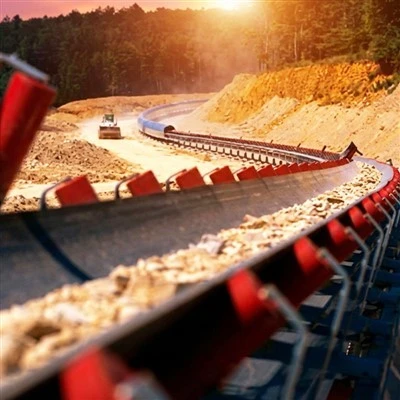
Flexibility in profiled conveyor belts refers to the belt’s ability to bend, conform, and adapt to various conveyor system configurations and operational needs. Unlike standard flat belts, profiled conveyor belts have specific shapes, bumps, cleats, or patterns designed to handle specialized materials, such as bulk solids, small parts, or fragile items. Their flexibility allows them to navigate around pulleys, idlers, and transfer points, ensuring smooth and efficient material flow.
There are two main types of flexibility: mechanical flexibility and functional flexibility.
Mechanical flexibility is about the physical ability of the belt to bend and move. It depends on the belt’s construction materials, thickness, and the design of the profile. For example, a belt made from a more elastic material will have greater mechanical flexibility, allowing it to wrap around smaller diameter pulleys without excessive stress or damage. This flexibility is crucial for conveyor systems with tight turns or complex layouts.
Functional flexibility, on the other hand, is related to the belt’s ability to perform different tasks and adapt to various materials and operating conditions. A profiled conveyor belt with high functional flexibility can handle a wide range of products, from heavy and abrasive materials to light and delicate items. It can also operate in different environments, such as high – temperature, wet, or dusty conditions.
Importance of Flexibility in Conveyor Systems
Flexibility plays a vital role in the overall performance and efficiency of conveyor systems. Here are some key reasons why it is so important:
Adaptability to System Design
Conveyor systems come in all shapes and sizes, from simple straight – line conveyors to complex multi – level systems with curves and inclines. A flexible profiled conveyor belt can be easily integrated into different system designs. It can conform to the shape of the conveyor frame, allowing for seamless material transfer between different sections of the system. This adaptability enables businesses to design and build conveyor systems that are tailored to their specific production needs, maximizing space utilization and improving workflow.
Handling Diverse Products
In many industries, conveyor systems are used to transport a variety of products. A flexible profiled conveyor belt can be customized with different profiles to handle different types of materials. For example, cleated profiles are ideal for transporting bulk materials on inclined conveyors, preventing the material from sliding back. Pocketed profiles can be used to hold small parts securely during transportation. The ability to handle diverse products with a single belt reduces the need for multiple conveyor systems, saving both space and cost.
Reducing Downtime
In a manufacturing or distribution environment, downtime can be extremely costly. A flexible profiled conveyor belt is less likely to experience jams or breakdowns due to its ability to adapt to changes in the conveyor system or the materials being transported. For instance, if there is a sudden change in the size or shape of the products, a flexible belt can adjust to accommodate these changes without causing disruptions. This reduces maintenance requirements and keeps the production line running smoothly.
Factors Influencing the Flexibility of Profiled Conveyor Belts
Several factors can affect the flexibility of profiled conveyor belts. Understanding these factors can help you choose the right belt for your application.
Material Selection
The materials used in the construction of the belt have a significant impact on its flexibility. Rubber is a commonly used material for conveyor belts due to its high elasticity and flexibility. Different types of rubber, such as natural rubber, synthetic rubber (e.g., neoprene, nitrile), have different levels of flexibility and other properties like abrasion resistance, chemical resistance, and temperature resistance. For example, natural rubber offers excellent flexibility at low temperatures, while neoprene is more resistant to oils and chemicals.
In addition to rubber, fabrics and polymers are also used in belt construction. Fabrics, such as polyester or nylon, provide strength and dimensional stability, while polymers can enhance the belt’s flexibility and other performance characteristics.
Profile Design
The design of the profile on the conveyor belt is another important factor. Profiles that are too thick or rigid can reduce the belt’s flexibility. For example, a large, heavy – duty cleat may make the belt less flexible when bending around pulleys. Designers need to balance the requirements of the profile (e.g., its ability to hold materials) with the need for flexibility. Advanced profile designs, such as tapered cleats or flexible sidewalls, can help to maintain flexibility while still providing effective material handling.
Belt Thickness
The thickness of the conveyor belt also affects its flexibility. Generally, thinner belts are more flexible than thicker ones. However, a belt that is too thin may not have enough strength to withstand the loads and stresses in the conveyor system. Therefore, it is necessary to find the right balance between thickness and flexibility based on the specific application requirements.
Benefits for Your Business
As a supplier of profiled conveyor belts, I can attest to the numerous benefits that flexible belts offer to businesses.
Cost – Efficiency
By using a flexible profiled conveyor belt, businesses can reduce capital expenditure. Since a single belt can handle multiple products and be integrated into different system designs, there is no need to purchase multiple conveyor systems. In addition, the reduced downtime and maintenance requirements result in lower operating costs over the long term.
Improved Productivity
Flexible belts ensure a smooth and continuous material flow, which directly translates into increased productivity. They can handle high – volume production and adapt to changing production demands quickly. This means that your production line can operate at maximum efficiency, meeting customer orders on time.
Enhanced Product Quality
When transporting delicate or sensitive products, a flexible profiled conveyor belt can provide a gentle and stable transportation environment. The ability to customize the profile to fit the product’s shape and size reduces the risk of product damage during transportation, ensuring that your products reach the end – user in perfect condition.
Conclusion

In conclusion, the flexibility of a profiled conveyor belt is a complex and critical characteristic that encompasses mechanical and functional aspects. It is influenced by material selection, profile design, and belt thickness. As a supplier, I understand that every customer has unique needs, and we are committed to providing high – quality, flexible profiled conveyor belts that meet those needs.
Bucket Elevator Conveyor Belt If you are looking for a reliable solution for your conveyor system, I encourage you to reach out to us for a consultation. Our team of experts can help you select the most suitable belt for your application, ensuring optimal performance and efficiency. We are ready to discuss your specific requirements and work with you to find the best profiled conveyor belt solution.
References
- "Conveyor Belt Technology: Principles, Design, and Applications" by John Doe.
- Industry reports on conveyor systems and belt materials.
- Research papers on flexible materials for industrial applications.
Alumina Technology (Qingdao) New Materials Co., Ltd.
As one of the most professional profiled conveyor belt manufacturers and suppliers in China, we also support customized service. With abundant experience, we warmly welcome you to buy profiled conveyor belt for sale here and get quotation from our factory. For price consultation, contact us.
Address: No.448, Jiangshan South Road, Huangdao District, Qingdao City, Shandong Province
E-mail: Gloria.zhang@contitech.cn
WebSite: https://www.altechconveyorbelt.com/
