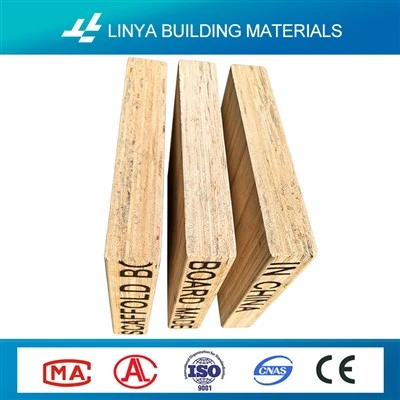
As a bamboo formwork supplier, I’ve witnessed firsthand the crucial role that formwork thickness plays in construction projects. Bamboo formwork has gained significant popularity in the construction industry due to its eco – friendliness, high strength – to – weight ratio, and cost – effectiveness. However, understanding how the thickness of bamboo formwork affects its performance is essential for both contractors and suppliers to ensure successful construction outcomes. Bamboo Formwork
Structural Integrity and Load – Bearing Capacity
One of the most significant impacts of bamboo formwork thickness is on its structural integrity and load – bearing capacity. Thicker bamboo formwork generally provides greater strength and stiffness, which are vital for supporting the weight of wet concrete during the construction process. When concrete is poured into the formwork, it exerts a considerable hydrostatic pressure. A thin formwork may not be able to withstand this pressure, leading to deformation or even failure.
For example, in the construction of high – rise buildings or large – scale infrastructure projects where thick slabs or beams are being cast, thicker bamboo formwork is often necessary. A 15 – millimeter thick bamboo formwork might be suitable for small – scale residential projects with relatively light concrete loads. In contrast, for large commercial buildings with heavy concrete volumes, a 20 – millimeter or even thicker formwork would be a better choice. Laboratory tests have shown that increasing the thickness of bamboo formwork by just a few millimeters can significantly enhance its load – bearing capacity. This is because the extra material provides more resistance to bending and shear forces, ensuring that the formwork retains its shape and supports the concrete until it has cured.
Durability and Reusability
The thickness of bamboo formwork also has a direct impact on its durability and reusability. Thicker formwork is more resistant to wear and tear during handling, transportation, and the construction process. When workers install and remove the formwork, it may be subject to minor impacts and abrasions. A thicker bamboo formwork can better withstand these physical stresses without cracking or splintering.
In addition, thick formwork can endure multiple cycles of use. In a construction project, formwork is typically reused several times to reduce costs. Thicker bamboo formwork maintains its structural integrity over a greater number of uses compared to thinner alternatives. For instance, a 22 – millimeter thick bamboo formwork may be reused up to 10 – 12 times in a well – managed construction site, while a 12 – millimeter thick formwork might only be suitable for 3 – 5 uses. This difference in reusability not only affects the overall cost of the project but also has environmental implications. The more times the formwork can be reused, the less material is required for construction, reducing waste and the environmental footprint.
Handling and Installation
While thicker bamboo formwork offers better structural performance, it also presents some challenges in terms of handling and installation. Thicker formwork is heavier, which can make it more difficult for workers to move and position. This may require additional labor or mechanical equipment to lift and install the formwork, increasing the overall labor cost and potentially slowing down the construction process.
On the other hand, thinner bamboo formwork is lighter and easier to handle. It can be quickly installed by a smaller team of workers without the need for heavy machinery in many cases. This makes it a more attractive option for small – scale projects where speed of installation is a priority, and the load requirements are relatively low. However, it’s important to strike a balance between ease of installation and the formwork’s performance requirements.
Surface Finish and Concrete Quality
The thickness of bamboo formwork can also influence the surface finish of the cast concrete. Thicker formwork is less likely to vibrate during the concrete pouring and consolidation process. Excessive vibration of the formwork can cause air bubbles to form in the concrete, resulting in a poor surface finish with voids and honeycombing.
A stable and rigid thick formwork provides a more consistent surface for the concrete to adhere to, resulting in a smoother and more aesthetically pleasing finish. In architectural projects where the appearance of the concrete is crucial, such as in building facades or decorative elements, using thicker bamboo formwork can enhance the quality of the final product. Moreover, the reduced vibration helps in better compaction of the concrete, improving its overall strength and durability.
Cost Considerations
Cost is always a major factor in construction projects. Thicker bamboo formwork generally costs more than thinner formwork due to the increased amount of raw material used and the additional manufacturing processes involved. However, it’s important to look at the long – term cost implications. As mentioned earlier, thicker formwork offers better durability and reusability, which can offset the higher initial cost over multiple uses.
For a large – scale project with a high number of formwork cycles, investing in thicker bamboo formwork can be a cost – effective decision in the long run. On the other hand, for a small, one – off project with limited budget and load requirements, thinner formwork may be the more economical choice. Conducting a detailed cost – benefit analysis based on the specific requirements of the project is essential to make an informed decision.
Moisture Resistance
Moisture can have a significant impact on the performance of bamboo formwork. Thicker bamboo formwork has better moisture resistance compared to thinner formwork. The extra layers of bamboo material provide a greater barrier against water penetration. This is important because when bamboo formwork absorbs moisture, it can swell, warp, or even rot over time, reducing its structural integrity and performance.
In construction sites where the formwork is exposed to wet conditions, such as in coastal areas or during rainy seasons, thicker formwork is preferable. It can maintain its shape and strength better in the presence of moisture, ensuring consistent performance throughout the concrete casting process. Additionally, better moisture resistance also extends the formwork’s lifespan, making it a more reliable option for long – term construction projects.
Conclusion
In conclusion, the thickness of bamboo formwork has a multifaceted impact on its performance. It affects the formwork’s structural integrity, load – bearing capacity, durability, reusability, handling, surface finish of the cast concrete, cost, and moisture resistance. As a bamboo formwork supplier, I understand that choosing the right thickness is crucial for the success of any construction project.
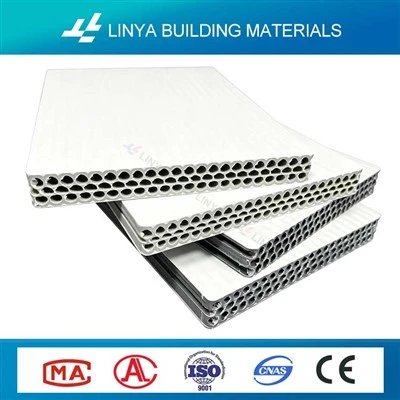
Contractors need to carefully evaluate the specific requirements of their projects, including the load capacity, budget, timeline, and environmental conditions. For large – scale commercial and high – rise projects, thicker formwork is often the best choice to ensure safety and quality. For small – scale residential or short – term projects, thinner formwork may be more appropriate in terms of cost and ease of installation.
Formwork We are committed to providing high – quality bamboo formwork in a variety of thicknesses to meet the diverse needs of our customers. If you are involved in a construction project and are considering using bamboo formwork, we would be delighted to engage in a procurement discussion with you. Our team of experts can help you select the most suitable formwork thickness based on your project’s specific requirements.
References
- "Bamboo in Construction" by Felix Hust. This book provides in – depth knowledge about the properties and applications of bamboo in the construction industry, including the role of thickness in bamboo formwork.
- Journal of Construction Engineering and Management articles discussing the performance of different types of formwork materials, with a focus on bamboo formwork. These peer – reviewed articles offer scientific data and research findings related to the impact of formwork thickness on various performance indicators.
- Industry reports from construction associations and research institutions that analyze the cost – effectiveness and performance of bamboo formwork in different construction scenarios, taking into account formwork thickness.
Shenzhen Linya Building Materials Co., Ltd.
We are one of the most professional bamboo formwork manufacturers and suppliers in China, also support customized service. Welcome to buy bulk high quality bamboo formwork in stock here from our factory. If you have any enquiry about free sample, please feel free to email us.
Address: Bantian International Center, No.5 Huancheng South Road, Ma’antang Community, Bantian Street, Longgang District, Shenzhen
E-mail: linya@formworksteelprop.com
WebSite: https://www.linyabuildingmaterials.com/
